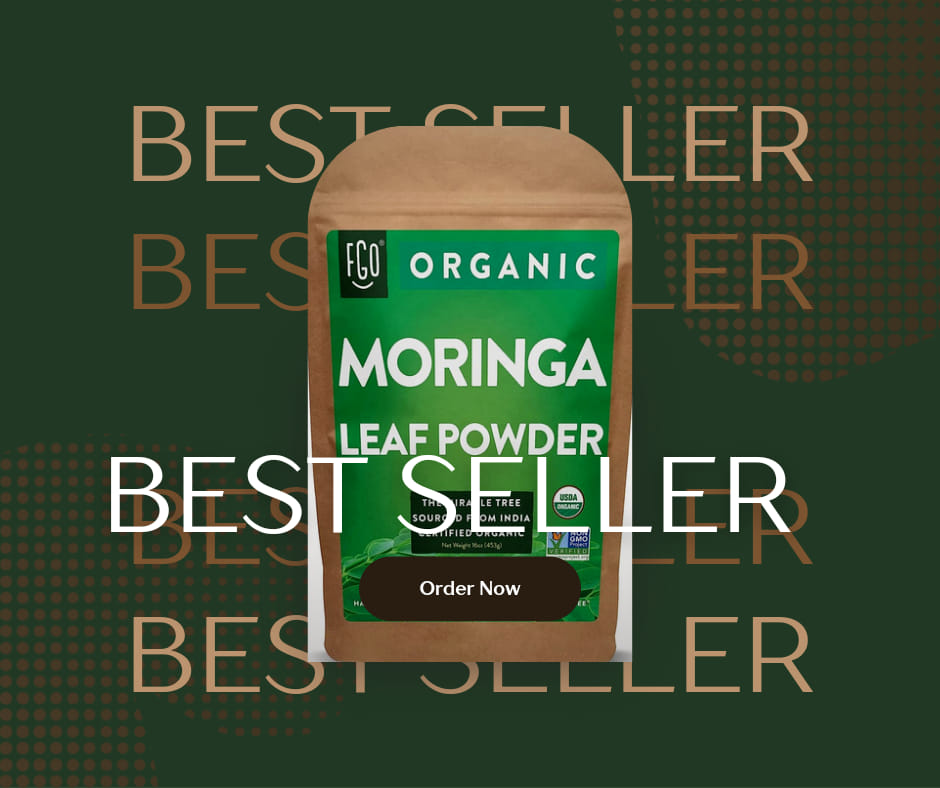
Moringa, also known as Moringa oleifera, is a plant that is often referred to as the “drumstick tree” or the “miracle tree” due to its nutritional and potential health benefits. Various parts of the moringa plant, including the leaves, seeds, flowers, and roots, are used for their nutritional and medicinal properties. Here are some potential benefits of moringa:
- Nutritional Content: Moringa leaves are rich in vitamins (such as vitamin A, vitamin C, and vitamin E), minerals (such as calcium, iron, and potassium), and essential amino acids. It’s often considered a good source of nutrients, especially in areas where malnutrition is a concern.
- Antioxidant Properties: Moringa is believed to contain high levels of antioxidants, including quercetin and chlorogenic acid. These antioxidants help protect cells from damage caused by free radicals, which are unstable molecules that can contribute to various chronic diseases.
- Anti-Inflammatory: Some compounds in moringa, such as isothiocyanates, may have anti-inflammatory properties, which could potentially help with conditions involving inflammation, such as arthritis.
- Cholesterol Management: Moringa leaves have been studied for their potential to lower cholesterol levels, which can have a positive impact on heart health.
- Blood Sugar Regulation: Some research suggests that moringa may have a positive effect on blood sugar levels, making it potentially beneficial for individuals with diabetes. However, more research is needed to fully understand its effects.
- Digestive Health: Moringa leaves may contain compounds that support digestive health by promoting regular bowel movements and maintaining gut health.
- Supporting Immune System: The vitamins and minerals found in moringa can contribute to a healthy immune system and overall well-being.
- Skin Health: Moringa oil, derived from the seeds, is used in some skincare products due to its moisturizing and emollient properties. It’s rich in nutrients that can benefit the skin.
- Nutritional Supplementation: Moringa supplements are used by some individuals as a nutritional supplement to fill potential gaps in their diet.
It’s important to note that while moringa has a range of potential benefits, more research is needed to fully understand its effects on human health. As with any supplement or dietary change, it’s recommended to consult with a healthcare professional before incorporating moringa into your routine, especially if you have any underlying health conditions or are taking medications. Additionally, the dosage and form of moringa (such as leaves, powder, capsules, or oil) can vary, so it’s important to follow recommended guidelines.















 Natural Health